


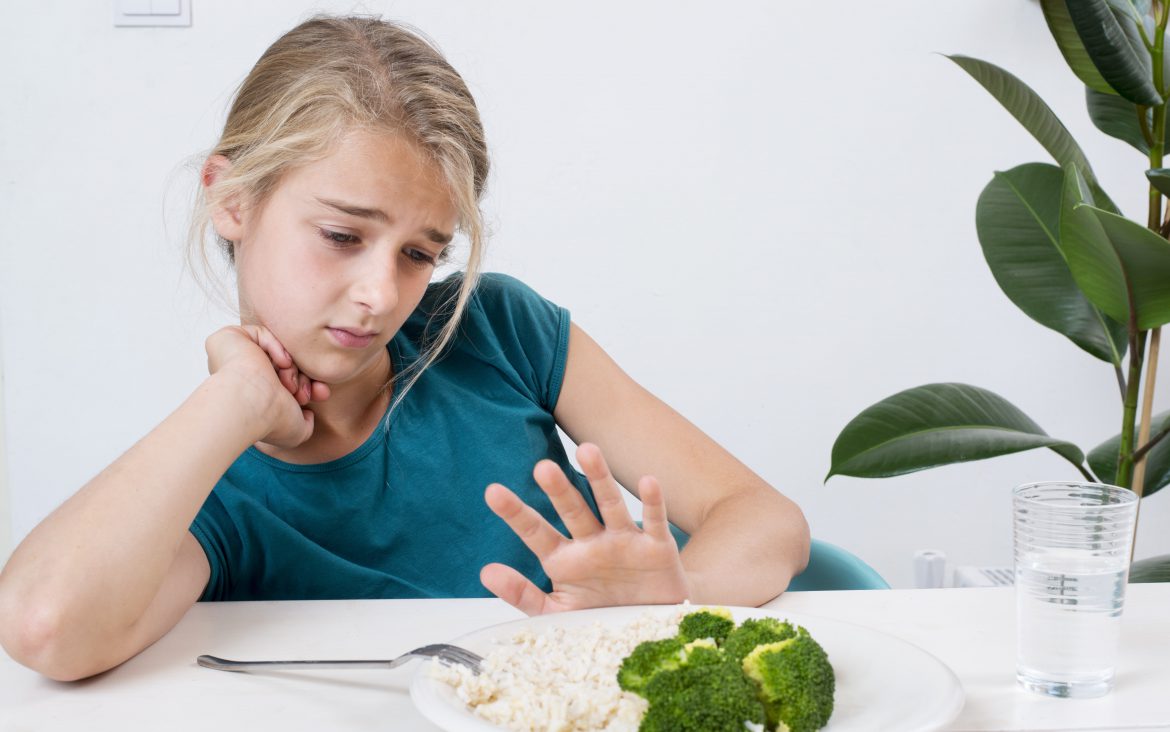
An eating disorder is a mental health condition where the afflicted person uses the control of food to cope with negative feelings. The types of eating disorders include anorexia nervosa, bulimia and binge eating disorder. Each of these conditions can become debilitating for the person affected unless they have the right care and treatment. Know more on the treatment stages of eating disorder and be efficient in managing your eating concerns.
Who is affected by eating disorders?
For Eating Disorders Awareness Week 2023, charities such as BEAT have been campaigning for better awareness. Though eating disorders are most common in teenagers, they highlight that up to 6.4% of adults also display signs of an eating disorder. 1.25 Million people in the UK were estimated to have an Eating Disorder in 2020 (a number which may have risen since). Though often associated with young girls and women, 25% of those affected were male.
Eating disorders can affect people of any age, gender or nationality. Disordered eating behaviours are something that should never be ignored.
Repeated issues with ED care
Recently, the Parliamentary and Health Serviceman warned that the NHS has “repeatedly failed” people with eating disorders. The ombudsman called to attention several recommendations laid out in an earlier report from 2017, which the NHS hasn’t met.
For example, in the 2017 report, they highlighted that adult eating disorder services should be brought on par with the eating disorder services offered to minors.
Healthcare failings can lead to further harm for people of any age with an eating disorder, including avoidable deaths. While the healthcare system slowly starts to catch up, many adults are left waiting for the therapy and support they need. For as long as the issue persists, there is likely to be an increase in the demand for medical no win no fee personal injury solicitors.
Changes Required
As Ombudsman Rob Behrens asserted, it’s time for a “culture change” in the NHS regarding how eating disorders are treated. He says they should be willing to learn from past tragedies as they look to improve.
He also calls for the government to treat eating disorders as a greater priority. More support and training could be given to the nurses who work with patients and families first-hand.
The government recently assigned £1 billion to community mental health care for adults with severe mental health problems (including eating disorders). They also designated £54 million per year for community eating disorder services for children and adolescents. The NHS must make full use of the budget, and it is to be hoped that these actions will lead to some improvement soon.
If you have been affected by any of the issues raised, you can contact BEAT at 0808 801 0677 (England), 0808 801 0432 (Scotland), 0808 801 0433 (Wales) and 0808 801 0434 (Northern Ireland).
Read Also
- Full-Arch Dental Tourism: Why UK Patients With Severe Bone Loss Are Looking Abroad
 Dental implants have become one of the fastest-growing segments of private dentistry. Within that market, one patient group behaves very differently from the rest: people who have been told they do not have enough upper jawbone for conventional implants. For these patients, the choice is rarely between one clinic and another. It is between a… Read more: Full-Arch Dental Tourism: Why UK Patients With Severe Bone Loss Are Looking Abroad
 - Levels of Mental Health Care and When to Seek SupportMental health care can range from occasional outpatient appointments to 24-hour hospital treatment. The appropriate level depends on safety, symptom severity, daily functioning, medical needs, available support, treatment history and personal preferences. A licensed clinician should assess these factors rather than relying on a symptom list alone. Need help now? In the United States, call… Read more: Levels of Mental Health Care and When to Seek Support
- How to Choose a Shilajit Brand Based on the ResearchIn a randomized trial published in the Journal of the International Society of Sports Nutrition in 2019, 63 active men took 250 mg of standardized shilajit, 500 mg, or a placebo every day for eight weeks, and the benefit for strength retention after a fatiguing workout appeared only at 500 mg. For anyone choosing a… Read more: How to Choose a Shilajit Brand Based on the Research
- How to Incorporate Relaxation into Your Busy ScheduleFinding balance when you have a packed daily agenda often feels out of reach. Between work duties, family obligations, and personal projects, personal rest usually gets pushed to the bottom of the list. Small, intentional shifts in daily habits can help restore calm without requiring hours of extra free time. Continue reading to discover everything… Read more: How to Incorporate Relaxation into Your Busy Schedule
- Red Light Therapy for Skin and Wellness: Meet Vital Red Light TherapyModern wellness is not always about complicated treatments or long routines. Many people are now looking for simple, convenient ways to support their skin, recovery, and overall wellness at home. One technology getting more attention is red light therapy. Red light therapy uses specific wavelengths of red and near-infrared light to support the body’s natural… Read more: Red Light Therapy for Skin and Wellness: Meet Vital Red Light Therapy
- Managing Shock Loss After a Hair Transplant: The Financial and Clinical Imperative of Post-Op CareIn the rapidly evolving landscape of private healthcare, executive leadership within cosmetic and restorative surgery clinics faces a dual challenge: maintaining strict clinical standards while maximizing patient lifetime value (LTV) and brand advocacy. As the global medical tourism and elective procedure markets expand, clinical outcome quality alone is no longer the sole differentiator for premium… Read more: Managing Shock Loss After a Hair Transplant: The Financial and Clinical Imperative of Post-Op Care






